Bathroom Lighting in Derby Homes: Getting the Layers Right
Bathroom lighting is one of the areas where most fitted bathrooms fall short - not because the installer did anything wrong, but because the brief was "put a light in" rather than "plan the lighting." A single ceiling downlight in the middle of the room casts shadows on your face when you're at the mirror, leaves the shower area dim, and gives the room a flat, functional feel that no amount of good tiles and fittings will fully compensate for. Getting lighting right isn't expensive or complicated, but it does need to be thought about before the first fix rather than after.
The Problem with a Single Ceiling Fitting
Most Derby bathrooms that Bathroom Fitters Derby encounters during a renovation have a single ceiling light - sometimes a pendant, often a recessed downlight, occasionally one of those ceiling-mounted shaver units that hasn't been touched since the mid-90s. The issue isn't the fitting itself, it's the position. A light directly above you when you're standing at the basin creates downward shadows that make shaving or applying make-up genuinely difficult. It's also the wrong angle to show the difference between clean and not-quite-clean tile grout.
The Three Layers That Work
A well-planned bathroom uses light from at least two directions, ideally three:
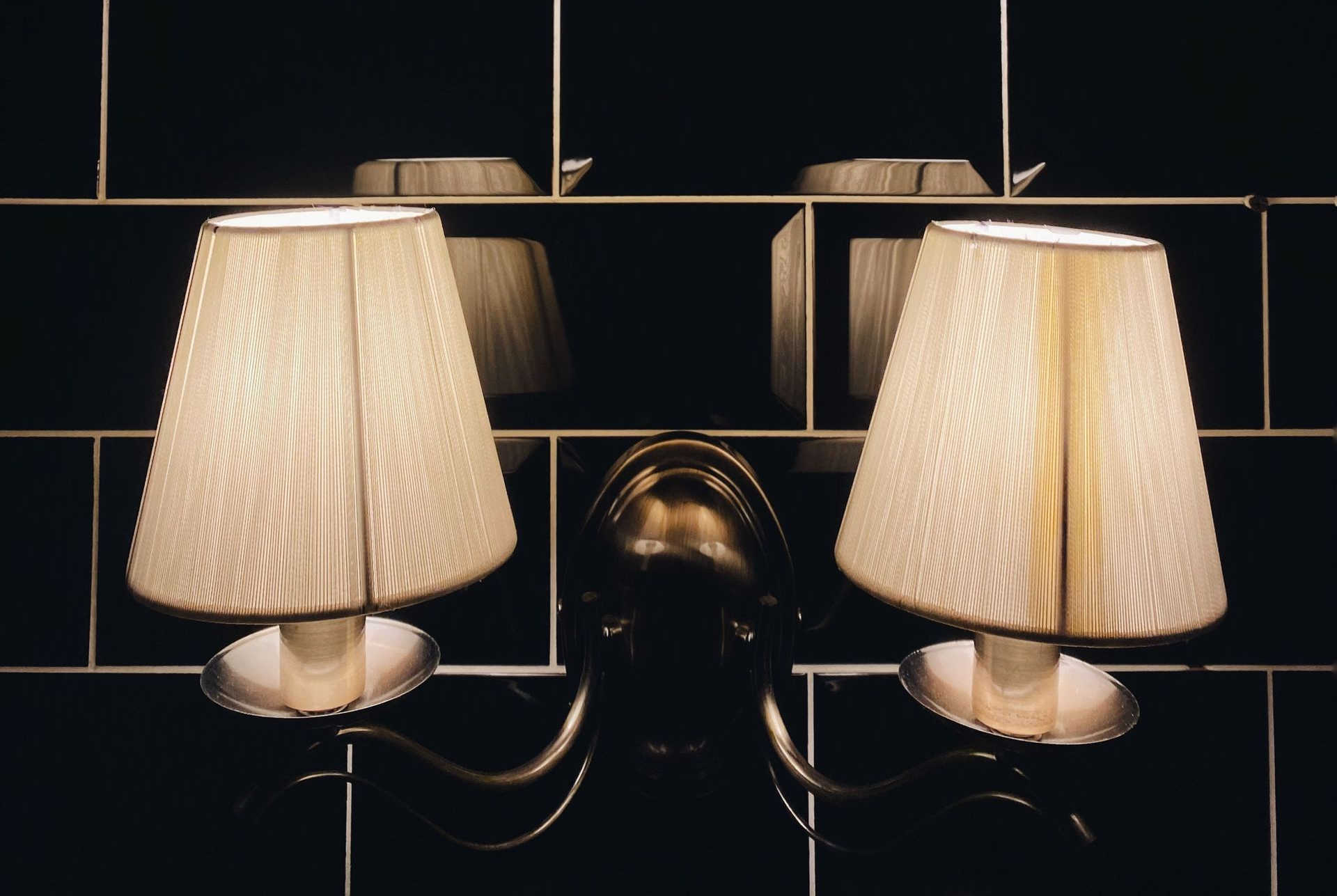
Task lighting at the mirror. The most important layer. Light at face height on either side of the mirror (or across the top of a wide mirror) illuminates your face from the front rather than casting shadows from above. Wall-mounted light bars on either side of the mirror are the clearest solution; a strip light or IP-rated LED panel above the mirror works well when there's insufficient wall space for side lights. The key thing is that it should be at or near face height, not above head height.
General ambient light. The ceiling downlights or main fitting that lights the room overall for general use - getting in and out, cleaning, running a bath. This doesn't need to be bright; in a bathroom with good task lighting, the ambient layer can be warm and relatively low.
Shower or bath lighting. A waterproof recessed downlight inside or directly above the shower enclosure makes a significant practical difference. The rest of the room's lighting doesn't adequately illuminate the shower interior, and a dedicated shower light also changes how the shower area looks and feels. It needs to be IP65-rated minimum for a shower position.
IP Ratings and Bathroom Zones
Bathroom electrical fittings are categorised into zones based on their proximity to water. Zone 0 (inside the bath or shower tray), Zone 1 (directly above), and Zone 2 (up to 600mm from Zone 1 or above Zone 1 to 2.25m height) each require minimum IP ratings. Fittings used in the wrong zone aren't just non-compliant with BS 7671 - they're a safety issue. Your electrician should be specifying fittings by zone, not just installing what's been picked out without checking.
All electrical work in a bathroom that involves new circuits or fitting changes is Part P notifiable - it needs to be done by a registered electrician and certified.
Dimmers and Controls
A dimmer switch for the ambient layer makes the bathroom significantly more versatile - bright for cleaning and getting ready in the morning, low for an evening bath. Not all LED downlights are dimmable, so the combination of fitting and dimmer needs to be specified together rather than assuming compatibility.
We've covered the full bathroom renovation process for Derby homes elsewhere, and lighting is the element most often treated as an afterthought that ends up getting changed again within a few years once people live with the result.
FAQ
Q: Where should bathroom mirror lighting be positioned in a Derby home?
At or close to face height - either side of the mirror ideally, or across the top of a wide mirror. Lighting from above casts downward shadows that make the mirror less useful for close-up tasks like shaving or applying make-up.
Q: What IP rating do bathroom lights need?
It depends on the zone. Zone 1 (directly above the bath or shower) requires IP45 minimum; IP65 is standard practice. Zone 2 requires IP44 minimum. Outside the bathroom zones but still in the bathroom, standard fittings can be used. Check with your electrician before purchasing fittings.
Q: Can I add a dimmer switch to bathroom lights?
To the ambient general lighting, yes - a dimmer makes the bathroom much more versatile. Not all LED downlights are dimmable, so the fitting and dimmer need to be specified together. Task lighting at the mirror is usually kept on a separate circuit without a dimmer for consistent brightness.
Q: Does bathroom lighting need to be installed by a registered electrician?
New circuits and significant fitting changes in a bathroom are Part P notifiable and must be done by a registered electrician with a certificate issued. Like-for-like replacement of fittings is less straightforward - check with your installer.
You might also like
Bathroom Fitting Derby