Green Bathroom Design in Derby: Eco-Friendly Ideas That Actually Work
Green bathrooms in Derby homes are becoming a more common request during renovations, and the term covers a wider range of decisions than most people initially realise. It can mean water efficiency - low-flow showers, dual-flush toilets, and aerated taps that reduce consumption without noticeably changing the experience. It can mean materials - reclaimed tiles, sustainably sourced timber, recycled glass surfaces, or products made with lower-VOC adhesives and grouts. And it can mean energy - better ventilation to reduce mould (and therefore maintenance), or LED lighting that cuts bathroom electricity costs by 40-60% compared to older incandescent fittings. The good news is that most of these improvements don't require a premium over a standard bathroom renovation - they're choices made at the specification stage rather than extras bolted on at the end.

Water Efficiency: Where the Biggest Gains Are
Bathroom Fitters Derby sees water efficiency as the most quantifiable part of a green bathroom renovation, and the savings stack up quickly. The average UK household uses around 150 litres of water per person per day, and the bathroom accounts for roughly 60-70% of that. A standard showerhead typically flows at 10-12 litres per minute; a water-efficient model runs at 6-8 litres per minute with no perceptible difference in feel if the pressure is adequate. Over a year, for a family of four taking daily showers, that's a saving of 20,000-30,000 litres - which translates to meaningful reductions on a metered water bill in Derby.
Dual-flush toilets have become standard in most new installations, but older properties in Derby - particularly the Victorian terraces in Normanton, Littleover, and Allestree - often still have single-flush cisterns using 9 litres per flush. A dual flush system reduces this to 4-6 litres on a half flush and 6-8 litres full. That's a 30-50% reduction in toilet water use, which for a typical household of four equates to saving several thousand litres per month.
Aerated Taps and Mixer Controls
Aerated tap inserts (aerators) mix air into the water stream, maintaining the sensation of strong flow while reducing actual water volume by 30-50%. They're inexpensive, fit standard tap threads, and are invisible in use. Thermostatic shower controls that prevent cold-water waste while the shower heats up are another practical improvement - Severn Trent's data for the East Midlands suggests that up to 10 litres per shower session is typically wasted during the warm-up phase, particularly in older Derby properties with longer pipe runs.
Sustainable Materials: What's Available and What It Costs
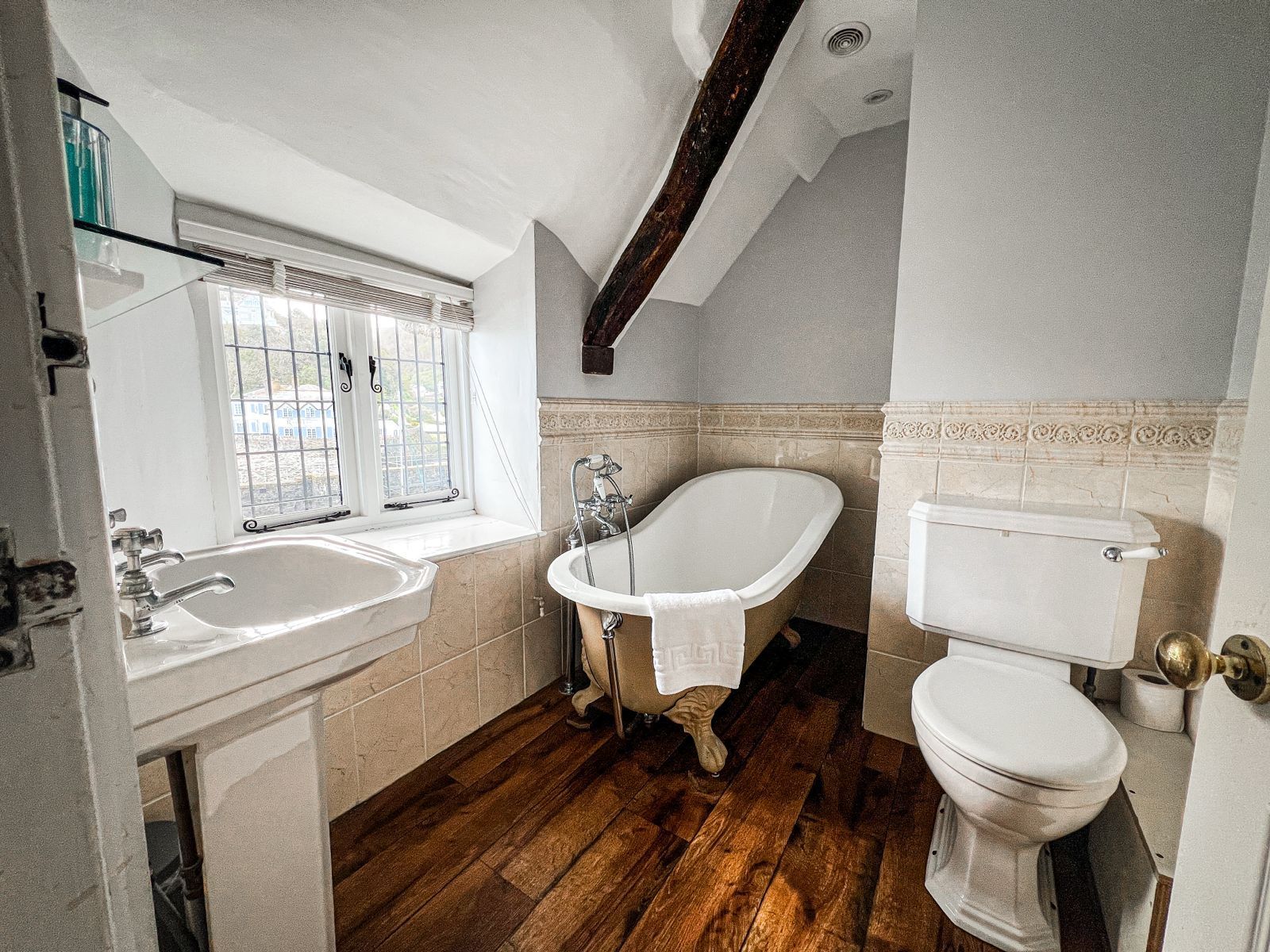
The tile market has expanded significantly in terms of recycled and sustainable options over the last decade. Recycled glass tiles are produced from post-consumer and post-industrial glass and are available in a wide range of finishes. Reclaimed terracotta and stone tiles from salvage suppliers can add genuine character while reducing demand for new quarrying. Bamboo flooring is now available in bathroom-rated finishes (the key is proper sealing) and grows considerably faster than hardwood alternatives. Ceramic and porcelain tiles made with a percentage of recycled content are increasingly standard in the mid-range price tier.
Where it gets more nuanced is with adhesives, grouts, and sealants. Conventional bathroom products can contain high levels of VOCs (volatile organic compounds) that off-gas during and after installation. Low-VOC and water-based alternatives are available from most trade suppliers and are now comparable in performance to traditional solvent-based products. In a small, enclosed space like a bathroom, this matters more than in a living room or hallway.
Ventilation and Energy Efficiency
We've covered bathroom lighting in Derby homes in terms of layout and IP ratings, but the energy dimension extends beyond lighting - ventilation matters too. A poorly ventilated bathroom in Derby's climate - where damp persists through a long autumn and winter - develops mould that requires chemical treatment, creates maintenance costs, and can cause structural damage to walls and ceilings over time. A properly specified extractor fan with humidity-sensing controls runs only when needed, uses less energy overall than a timer-based fan, and keeps the bathroom genuinely dry rather than intermittently ventilated.
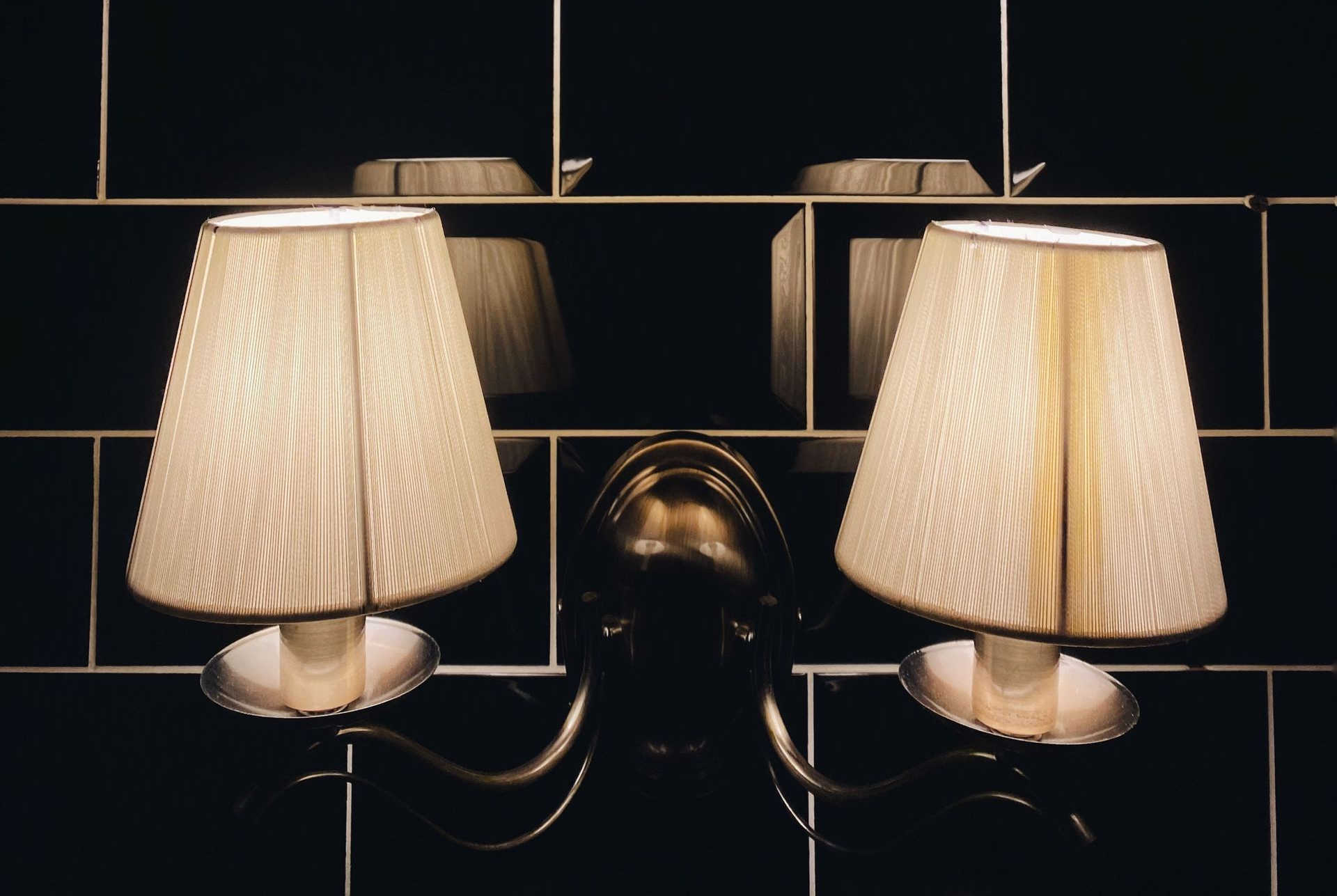
LED lighting in bathrooms uses 40-60% less electricity than equivalent halogen or incandescent fittings and lasts 10-25 times longer. For a bathroom used by a family of four for an average of 3-4 hours per day total, switching from four 50W halogen downlights to LED equivalents saves around £30-40 per year in electricity at current tariffs.
What Green Bathroom Design Costs in Derby
The honest answer is that a green bathroom renovation doesn't necessarily cost more than a standard one - it depends on choices made within the same budget. Specifying a low-flow showerhead rather than a standard one adds nothing to the cost. Choosing low-VOC grout over standard is a minimal premium. The costs that do increase with eco-focus are typically in materials - reclaimed stone tiles, for example, can be more expensive than standard ceramic depending on sourcing - and in ventilation upgrades if the existing system is inadequate.
For a mid-range bathroom renovation in a Derby semi-detached home, expect £8,000-£15,000 all in. Adding a focused eco-specification within that budget is largely a question of prioritisation rather than additional spend.
FAQ
Q: What's the most impactful eco change in a Derby bathroom?
Water efficiency delivers the most measurable benefit for most Derby households - low-flow showerheads, dual-flush toilets, and aerated taps. These reduce water consumption by 30-50% in the areas that use the most, with no noticeable difference in the everyday experience.
Q: Does a green bathroom cost more to fit in Derby?
Not necessarily. Most eco improvements are specification choices made within a standard renovation budget rather than add-ons that inflate the total. The biggest cost differences come from material choices - reclaimed stone or glass tiles can cost more than standard ceramics, but low-VOC adhesives and water-efficient fittings carry minimal or no premium.
Q: Are there grants available for eco bathroom renovations in Derby?
Water efficiency improvements aren't typically covered by home improvement grants. Energy-related changes that are part of a broader home insulation or heating upgrade may qualify under schemes like ECO4 or the Great British Insulation Scheme, but bathroom-specific work generally falls outside these programmes.
Q: What materials make a bathroom more sustainable?
Recycled glass tiles, reclaimed stone or terracotta, bamboo flooring in sealed bathroom grades, and porcelain tiles with recycled content are the main options. Low-VOC adhesives, grouts, and sealants reduce chemical off-gassing during and after installation.
You might also like
Bathroom Fitting Derby