Bathroom Ventilation in Derby: Why It Matters More Than Most People Think
Bathroom ventilation is one of those things that doesn't get much attention until there's a problem - and by then, the problem is usually bigger than expected. In Derby, where the Trent Valley location keeps humidity levels above the national average, the consequences are particularly visible. Mould on ceilings and walls, peeling paint, grout that darkens and softens, mirrors that stay steamed up for hours after a shower. All symptoms of the same issue: moisture with nowhere to go. Research from the UK Centre for Moisture in Buildings estimates that around 1 in 5 UK homes suffers from excess moisture problems, and bathrooms are the single biggest source of that moisture in most properties.
Why Derby Homes Are Particularly Vulnerable to Bathroom Damp
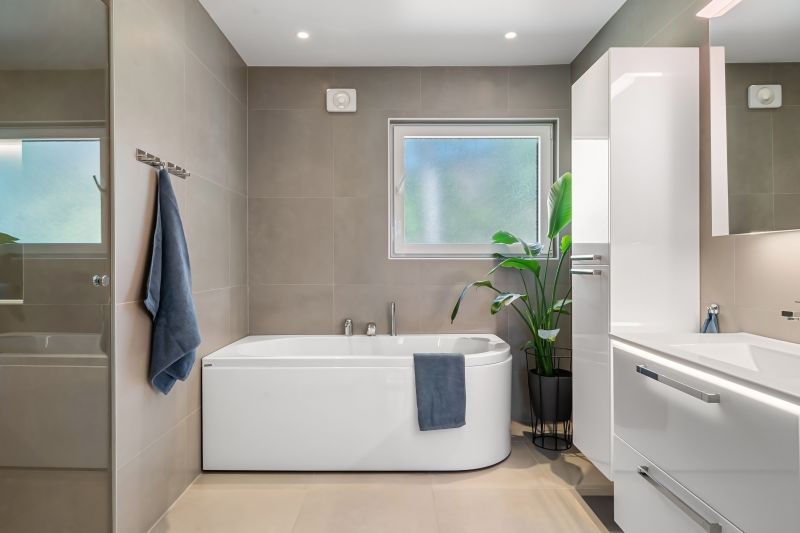
Derby's climate isn't the wettest in the country. But the city's geography creates specific conditions that make moisture management harder than elsewhere. The Trent Valley location means cold air pools at night, dropping temperatures quickly and creating conditions where moisture condenses on cold surfaces faster than in hillier or better-drained areas.
The housing stock compounds this. Derby has a significant proportion of older terraced housing - particularly in Normanton, Peartree, and Spondon - where bathroom ventilation was never designed into the original build. Many of these properties have had bathrooms added or moved since construction, often into internal rooms without any natural airflow. In a room with no window and no mechanical ventilation, humidity from a 10-minute shower can take several hours to clear through the rest of the property.
Bathroom Fitters Derby fits and upgrades ventilation as part of every bathroom installation. Not as an optional extra - as a core requirement for any bathroom that will perform well long-term.
What Adequate Bathroom Ventilation Actually Looks Like
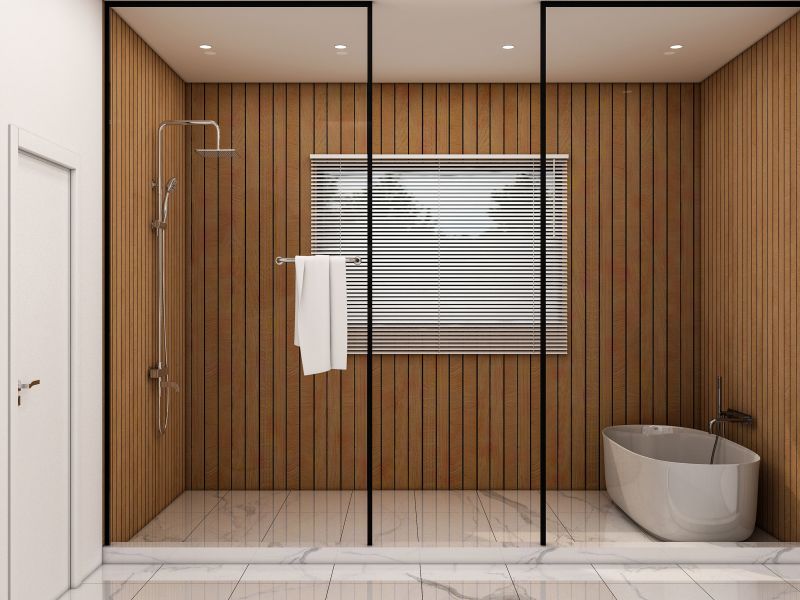
Building Regulations Part F sets the minimum ventilation rates for bathrooms in England. For a bathroom with a bath or shower, the minimum extract rate is 15 litres per second for intermittent extraction. Most basic extractor fans on the market are rated at 15-20 l/s, which meets the minimum but doesn't give much headroom for a busy family bathroom.
A well-ventilated Derby bathroom needs four things to actually work. The fan has to be sized for the room - larger bathrooms and wet rooms need more extraction capacity than the minimum spec. The control needs to be a humidistat or timer, not just a light switch; fans that stop when the light goes off usually stop before the moisture has cleared. The ducting needs to be rigid smooth-bore, not flexible corrugated - corrugated flex traps condensate and reduces airflow by 30-50%. And the discharge has to go through an external wall or the roof. Never into the loft.
The Building Regulations Approved Document F covers the full requirements and is worth reading before any bathroom renovation in Derby.
The Most Common Ventilation Mistakes in Derby Bathrooms
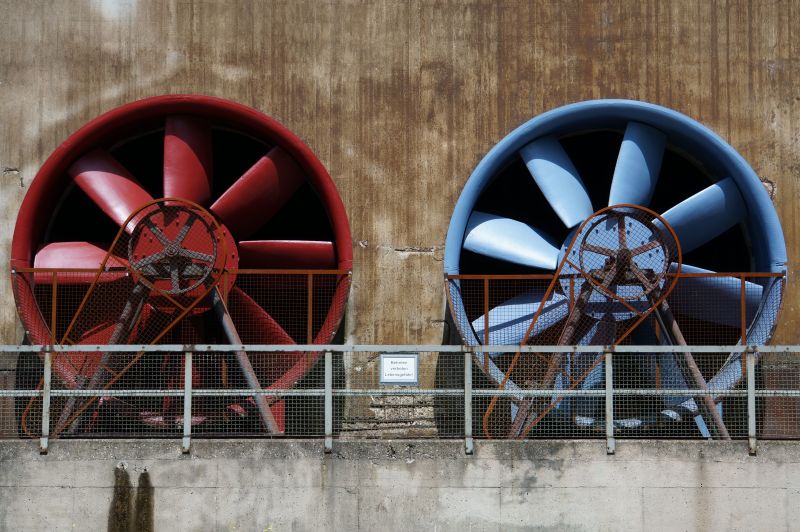
When Derby bathrooms are inspected for damp or mould problems, a few installation errors come up over and over.
Ducting into the loft is probably the worst. Some older Derby properties have fans that discharge into the loft void rather than through the roof or an external wall. This turns the loft into a damp box and causes structural timber problems over time.
Undersized fans in wet rooms come up regularly too. Wet rooms generate significantly more moisture per square metre than standard bathrooms. A fan specified for a dry bathroom simply won't keep up.
Flexible corrugated ducting is extremely common in older installations. It reduces airflow efficiency by 30-50% and holds moisture in the corrugations. Replacing it with smooth-bore rigid duct is often the cheapest fix when a fan seems to be running but not working.
No humidistat is the final one. Fans wired only to the light switch stop the moment the light goes off - often before the moisture has cleared.
Upgrading Ventilation in an Existing Derby Bathroom
Retrofitting a better fan is usually straightforward if through-wall ducting is already in place. Swapping the fan unit itself is a few hours' work. The bigger job comes when the ducting needs replacing or rerouting - which is often the case if the existing installation used corrugated flex or discharges into the loft.
If you're having a full bathroom renovation, this is the time to sort ventilation properly. We've covered the full renovation process in our guide to wet room installation in Derby, which includes ventilation requirements specific to wet room layouts.
Heat Recovery Ventilation - Worth Considering for Derby Homes
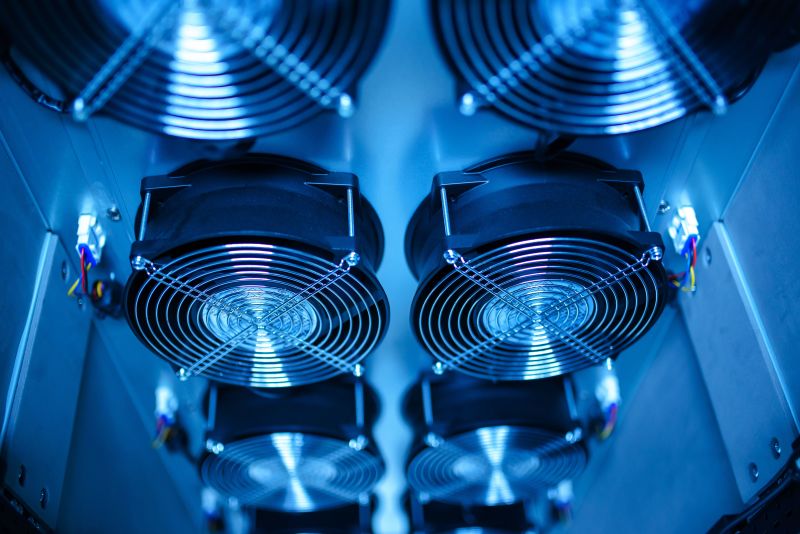
Heat recovery ventilation units are increasingly common in Derby bathroom refurbishments, particularly in older housing stock where energy bills are already a concern.
A standard extractor fan extracts warm, humid air and replaces it with cold air from gaps in the building fabric. A heat recovery unit extracts the humid air but recovers 70-90% of the heat before it leaves the building, transferring it to incoming fresh air. For a family using the bathroom multiple times a day in a Derby winter, the saving adds up. The Energy Saving Trust estimates that whole-house mechanical ventilation with heat recovery can save £40-£70 per year on heating in a typical semi-detached property - and even a single-room unit in the bathroom makes a meaningful difference to humidity levels throughout the ground floor.
What Bathroom Ventilation Costs in Derby
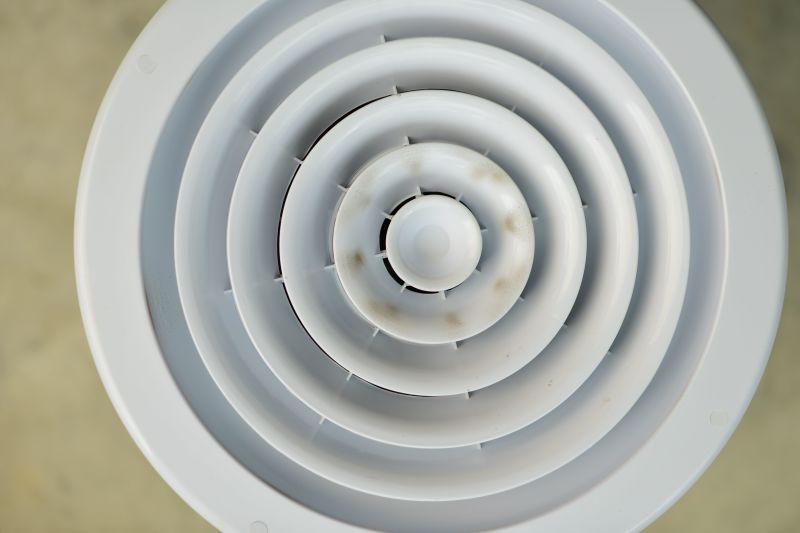
Basic intermittent extractor fan, new installation: £80 - £150 for the unit, plus £100 - £250 for installation depending on access and ducting route.
Humidistat fan with timer, new installation: £120 - £200 for the unit, plus installation as above.
Heat recovery ventilation unit, new installation: £200 - £450 for the unit, plus £200 - £350 for installation.
Re-ducting an existing bathroom fan (replacing corrugated flex with rigid smooth-bore): £150 - £300 depending on the route and whether roof tiles or brickwork need to be accessed.
FAQ
Q: Do I need an extractor fan in my Derby bathroom by law?
Building Regulations require mechanical ventilation in any bathroom without adequate natural ventilation (openable window to outside). If you're renovating or building a new bathroom in Derby, an extractor fan meeting Part F requirements is legally required. If your existing bathroom was fitted before current regulations, you aren't required to upgrade retrospectively - but it's worth doing if you're having damp or mould problems.
Q: How do I know if my bathroom extractor fan is working properly?
Hold a piece of tissue near the fan grille with the fan running. It should be pulled firmly against the grille. If it falls away or barely moves, the fan is either underpowered or the ducting is restricted. Also check how long steam takes to clear after a shower - it should be noticeably reducing within 15-20 minutes in a standard bathroom.
Q: Why does my Derby bathroom still get mouldy even though it has an extractor fan?
The most common causes are: the fan is undersized for the room, the ducting is restricted or incorrectly routed, the fan runs only while the light is on and stops before humidity drops, or the fan is positioned in the wrong part of the room (it should be as close to the source of moisture as possible, ideally above the shower or bath). Any of these can be corrected without replacing the whole installation.
Q: Can I install a bathroom extractor fan myself in Derby?
The mechanical part - fitting the fan unit and ducting - can be DIY. The electrical connection must be carried out by a qualified electrician under Building Regulations Part P, which requires either a registered competent person or notification to and inspection by Building Control. Most people find it simpler to have the whole job done by one contractor.
Q: What's the difference between a standard fan and a heat recovery unit for a Derby bathroom?
A standard fan extracts humid air and that heat is lost. A heat recovery unit extracts humid air but recovers 70-90% of the warmth before it leaves the building. In a busy family bathroom in a cold Derby winter, the difference in running costs is noticeable. Heat recovery units cost more upfront but pay back through lower heating bills and better humidity control.
You might also like
Bathroom Fitting Derby