Wet Rooms vs Shower Enclosures in Derby: Which Works Better in a Typical Home?
The appeal of a wet room is real - a fully waterproofed, open shower area looks clean, feels spacious, and removes the cleaning problem of shower screens and door tracks. But they're not always the right choice, and the ones that cause problems years later usually come down to one of two things: incorrect tanking or a floor that wasn't properly prepared for drainage. Getting either of those wrong is expensive to put right.
What a Wet Room Actually Involves
A wet room is a fully waterproofed bathroom where the shower area has no enclosure and the floor drains directly. The whole floor - not just the shower zone - is waterproofed, because water travels when there's no screen to contain it. This process is called tanking.
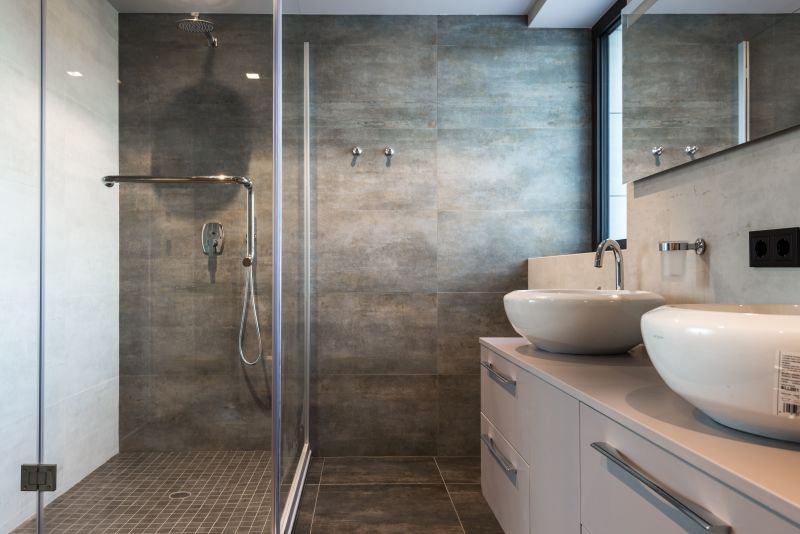
The floor is typically laid to a fall toward a linear or point drain. How the fall is achieved depends on the existing floor: a concrete floor can have a screed applied over it with the fall built in; a timber floor needs a wet room tray or a floating screed system designed for timber substrates. Getting this wrong - applying a standard screed over a springy timber floor - causes cracking and eventual tanking failure.
The walls in the shower zone need waterproofing too, typically with tanking membrane or board behind the tiles.
What a Shower Enclosure Involves
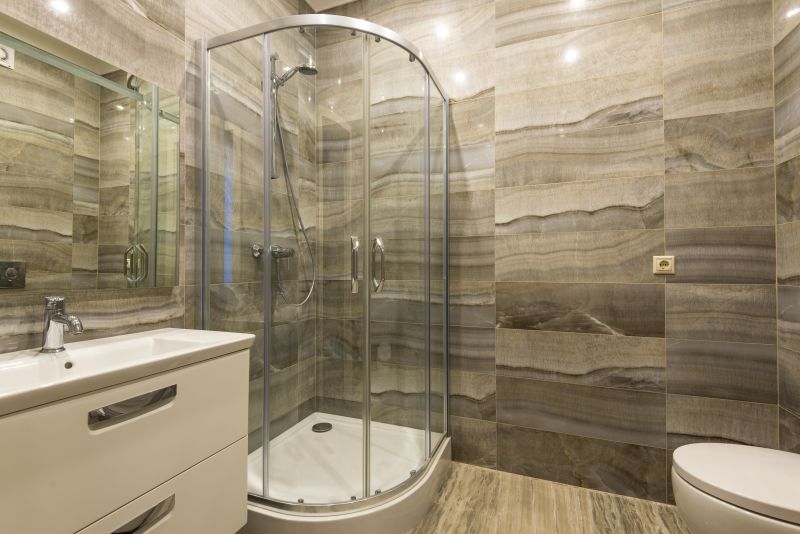
A shower enclosure contains the water within a framed or frameless glass structure. The tray underneath handles drainage. Waterproofing requirements are less demanding because the enclosure does the containment work.
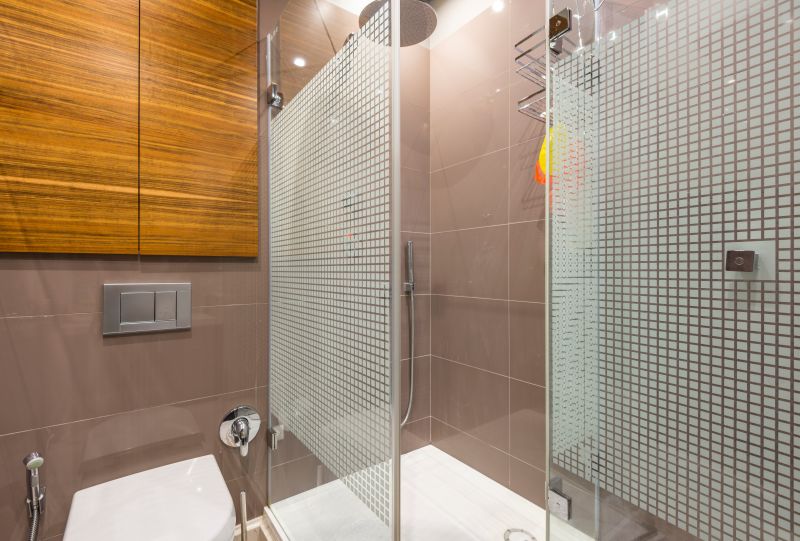
Enclosures are faster to install, easier to retrofit in an existing bathroom, and require less specialist groundwork. A framed enclosure with a standard acrylic tray is a half-day fit. A frameless glass enclosure with a stone resin tray takes longer but is still substantially simpler than a full wet room conversion.
Which Works Better in a Derby Semi-Detached
Most Derby semi-detacheds have timber upper floors. Wet rooms on timber floors are possible but require specific systems - not every bathroom fitter has experience with them. Wet rooms are more straightforward to build on ground-floor bathrooms or extensions where a concrete floor can be properly tanked.
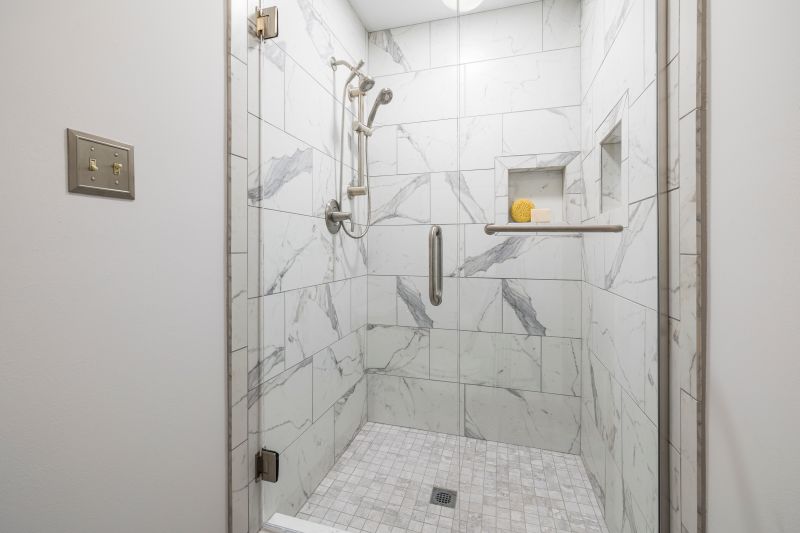
For an upstairs bathroom in a typical Derby semi, a well-specified shower enclosure with a quality tray is often the more practical choice and the one less likely to cause problems down the line. If the wet room look is wanted, a walk-in enclosure with minimal framing achieves a similar effect without the substrate complications.
Where wet rooms make obvious sense: ground floor bathrooms, accessible bathrooms (no tray to step over), extensions with concrete floors, or any situation where the floor can be properly prepared.
Costs in Derby
Shower enclosure with tray, supply and fit (standard framed): £500-£900 depending on size and spec.
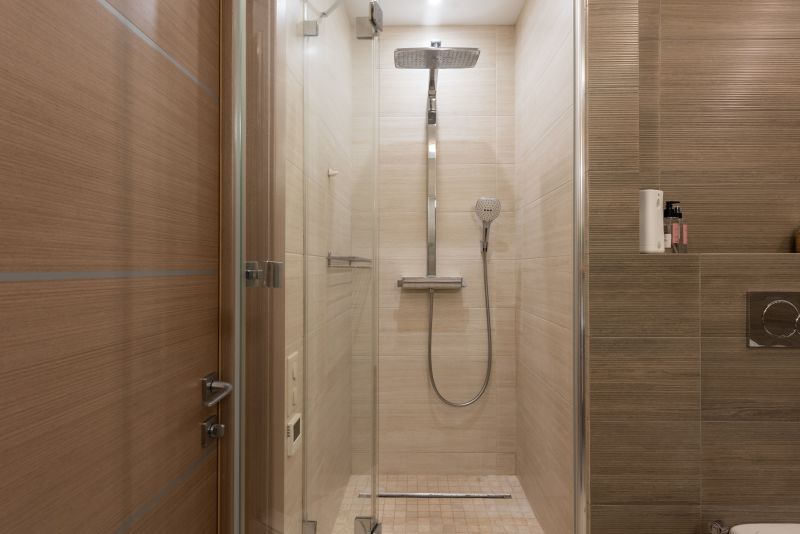
Walk-in frameless enclosure with stone resin tray: £900-£1,600.
Full wet room conversion (concrete floor, including tanking, drain, tiling): £1,500-£3,000 depending on size and existing floor condition.
Full wet room conversion (timber floor, including specialist system): £2,000-£3,500. The floor preparation is more involved and the materials are more expensive.
These figures are for the shower area specifically, not a full bathroom renovation. If the rest of the bathroom is being done at the same time, some labour costs overlap.
FAQ
Q: Can I have a wet room in an upstairs Derby bathroom?
Yes, but it requires a system designed for timber substrates - a floating screed or purpose-made wet room tray. Standard wet room tanking applied over a springy timber floor will crack over time. Make sure your fitter has specific experience with wet rooms on upper floors.
Q: How long does a wet room conversion take in Derby?
Allow three to five days for a straightforward wet room on a concrete floor, including tanking, drainage work, and tiling. An upper-floor conversion with timber floor preparation takes longer - typically five to seven days.
Q: Are wet rooms harder to clean than shower enclosures?
Wet rooms eliminate door tracks and frames which are the worst parts of shower enclosure cleaning. But the floor drain needs regular cleaning and the wider floor area needs attention. On balance, many people find wet rooms easier to keep clean once they're used to them.
Q: What's the difference between a wet room and a walk-in shower?
A walk-in shower is an enclosure with a wide entry and minimal or no door - it contains water within a defined area. A wet room has no enclosure at all and the entire floor is waterproofed and graded to drain. Walk-in showers are easier to install and work well on timber floors.
Q: Do wet rooms add value to a Derby property?
A well-installed wet room in the right location (accessible bathroom, ground floor) can be a selling point. A poorly installed one with damp problems behind tiles is the opposite. The quality of installation matters more than the format itself.
You might also like
Bathroom Fitting Derby