How Much Does a Full Bathroom Renovation Cost in Derby in 2026?
A full bathroom renovation in Derby typically costs between £3,500 and £15,000 depending on the size of the room, the quality of the fixtures, and whether any plumbing or electrical work is required beyond a straight swap. Most standard family bathrooms in Derby properties — a 2.5 to 4 square metre room in a semi or terraced house — come in at £5,000 to £9,000 for a mid-range finish. That figure includes supply and installation of the suite, tiling, and basic plumbing alterations, but not significant structural or drainage changes.
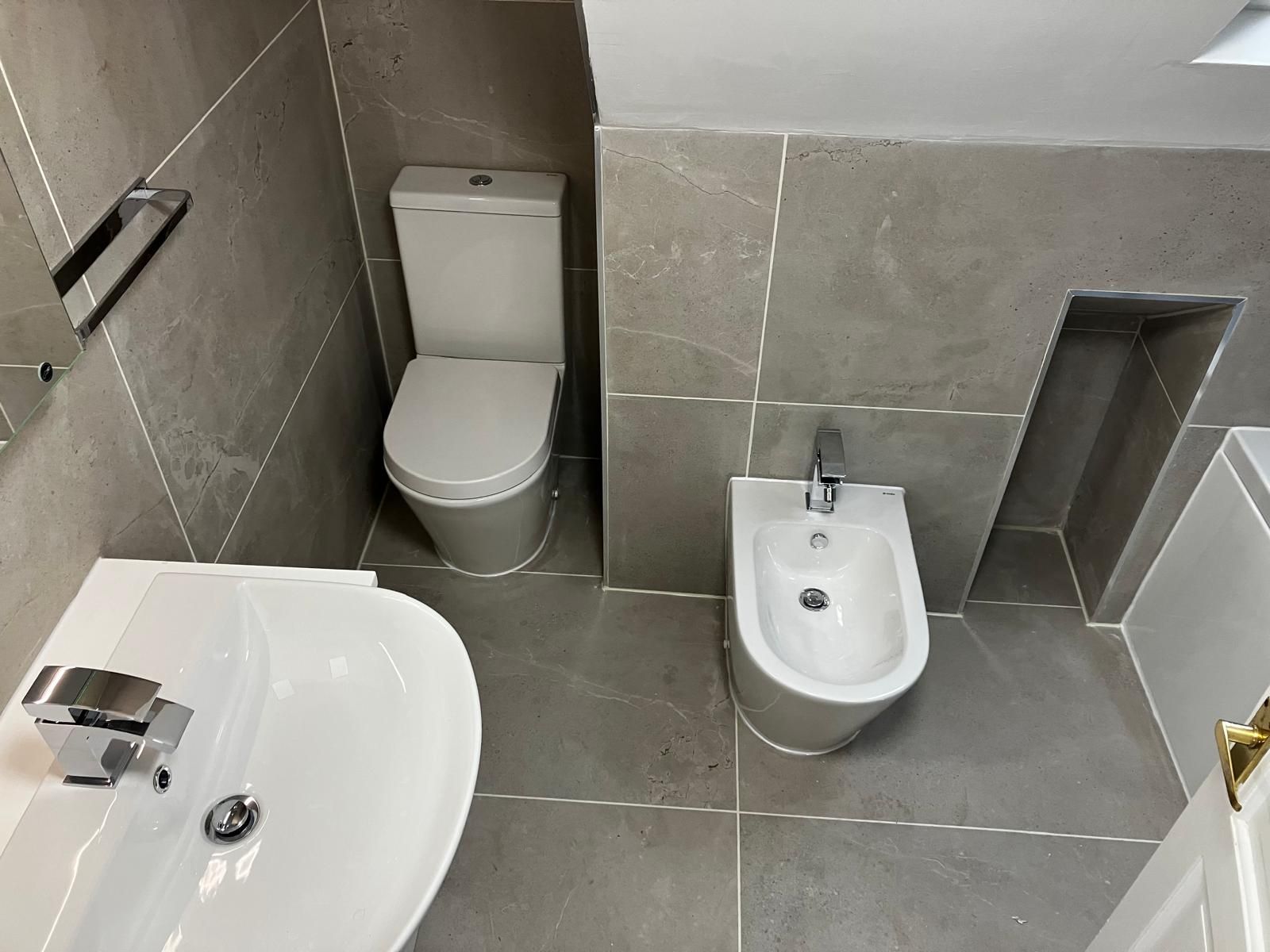
The clearest way to look at bathroom costs is by finish level, because the difference between a £4,000 bathroom and an £11,000 bathroom is mostly in the choices made rather than the size of the room.
A budget renovation — roughly £3,500 to £5,000 — typically means a standard suite from a trade supplier or high street retailer (Wickes, B&Q, or similar), tiling to splashback height rather than full walls, and a like-for-like swap of toilet, basin, and bath or shower with minimal plumbing alteration. It's a functional result that doesn't look cheap if the choices are made carefully. But there's little room for anything unexpected, and unexpected things happen.
Mid-range sits at £5,000 to £9,000 and is where most Derby renovations actually land. Full wall tiling in the main wet areas, a better-quality suite, a thermostatic shower, a heated towel rail — and crucially, enough contingency to deal with what's found behind the old suite. Something usually is found.
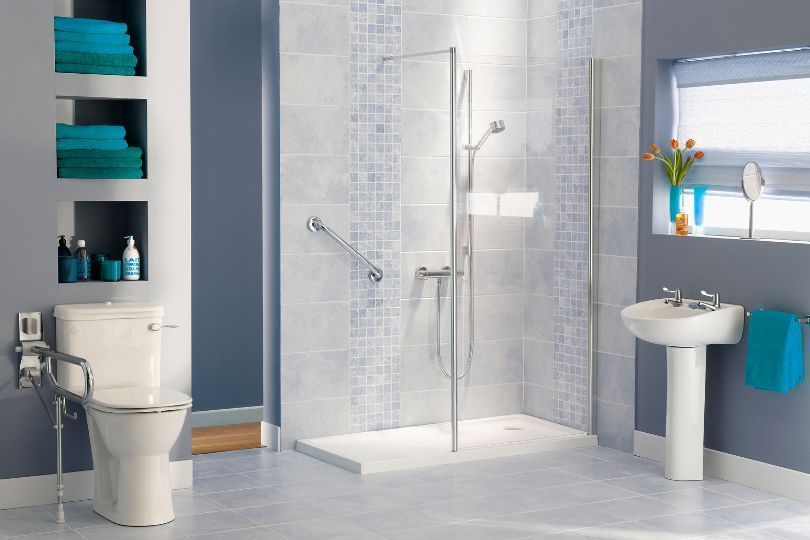
High-end starts at £10,000. Walk-in wetroom conversions, designer sanitaryware, large-format porcelain tiles, underfloor heating, full replumbing to change the layout. The labour is more skilled and takes longer. A high-end bathroom done properly adds real value to a Derby property, though whether you recover the full cost on resale depends on the property type and location.
A good bathroom fitter in Derby typically charges £150–£250 per day. A standard renovation — strip out, plumbing alterations, fitting the suite, fitting the shower, finishing — takes 5 to 8 working days for one fitter, or 3 to 5 days with two. That puts labour at roughly £1,200–£2,000 for a standard job. East Midlands rates are competitive compared to larger cities; you're not paying London prices.
Tiling is usually priced separately, either by the fitter if they tile as well, or by a dedicated tiler. Expect £35–£60 per square metre for labour, on top of the tile cost itself. A full bathroom with wall and floor tiling typically uses 15–25 square metres, so tiling labour alone runs £525–£1,500.
Any electrical work — extractor fan, lighting circuit, underfloor heating wiring — needs to be done by a qualified electrician or Part P registered installer. Budget £300–£700 for a typical bathroom electrical package.
The Hidden Costs That Catch People Out
The biggest surprise in any bathroom renovation is what's found when the old suite comes out. Older properties in Derby — the Victorian and Edwardian terracing common in Normanton, Pear Tree, and parts of the town centre, and the 1950s and 1960s semis across Alvaston, Spondon, and Chaddesden — frequently turn up problems behind the walls and under the floor. Rotten floorboards around the bath, old iron pipework that needs replacing, crumbling plaster on a wet wall. None of it is unusual. All of it costs money.
A good fitter will flag potential issues during a survey and build a contingency into the quote. If a quote has no mention of what happens if something unexpected is found, that's worth pressing on before you sign anything.
Moving the soil stack or changing the toilet position is expensive regardless of property age. The soil pipe needs to maintain a minimum fall to drain properly, and relocating it often means cutting into floors or external walls. If your renovation doesn't require moving the WC, keeping it where it is saves significant money.
Underfloor heating is popular and not as expensive as people assume for a bathroom-sized area — electric mat systems typically add £500–£1,000 installed — but it has to go in before the floor tiles. Plan it from the start or not at all.
Supply-Only vs Supply-and-Fit
Some homeowners buy their own suite — from online retailers, bathroom showrooms, or trade suppliers — and hire a fitter to install it. This can save money, but it shifts the responsibility for ordering the right items onto you. A mixer tap in the wrong finish, a basin that doesn't fit the vanity unit, a shower enclosure that arrives with a damaged panel — these are all problems that delay the job and cost more to resolve than the saving was worth.
Most fitters in Derby will work with customer-supplied products, but they won't cover warranties on items they didn't supply. Any delays caused by wrong or damaged deliveries are charged at their day rate. If you're buying your own suite, order early — ideally before the fitter starts rather than while they're waiting.
FAQ
Q: How much does a bathroom renovation cost in Derby? A: Most full bathroom renovations in Derby come in at £5,000–£9,000 for a mid-range finish. Budget jobs start around £3,500; high-end or wetroom conversions can reach £15,000–£20,000. Size of the room, quality of fixtures, and whether plumbing needs altering are the main variables.
Q: How long does a bathroom renovation take in Derby? A: A standard bathroom renovation typically takes 5 to 8 working days for a single fitter, or 3 to 5 days with two. Add time for tiling to cure and any electrical sign-off required. Most Derby bathroom renovations are completed within 2 weeks from start to finish.
Q: What adds the most cost to a bathroom renovation in Derby? A: Moving the toilet (which requires relocating the soil pipe), converting to a wetroom, underfloor heating, large-format or natural stone tiling, and remedial work on the existing structure all push costs up significantly. A like-for-like suite swap stays at the lower end of the range.
Q: Should I supply my own bathroom suite or let the fitter source it? A: Letting your fitter source or recommend the suite means they take responsibility for correct specification and can handle any issues with damaged or incorrect items. Buying your own can save money but puts the ordering risk on you — and delays caused by wrong items are charged at the fitter's day rate.
You might also like
Bathroom Fitting Derby