En-Suite Installation Costs in Derby: A 2026 Guide
Adding an en-suite is the most requested bathroom project in Derby right now, and it's not hard to see why. Estate agents consistently rank an en-suite among the top features buyers look for, and Nationwide's research has long suggested an additional bathroom can add around 5% to a property's value - roughly £11,000 on Derby's average house price of about £220,000. The typical cost of installing one in Derby in 2026 sits between £6,000 and £12,000 depending on where it goes and what has to be built, which means the sums can stack up in your favour if the job is done sensibly. But en-suites are also the project with the widest quote variation we see - two Derby homeowners with similar bedrooms can receive quotes £5,000 apart, and both quotes can be fair. This guide breaks down where the money goes, what Derby's housing stock does to the numbers, and how to avoid paying for problems that a proper survey would have caught.
What an En-Suite Costs in Derby in 2026
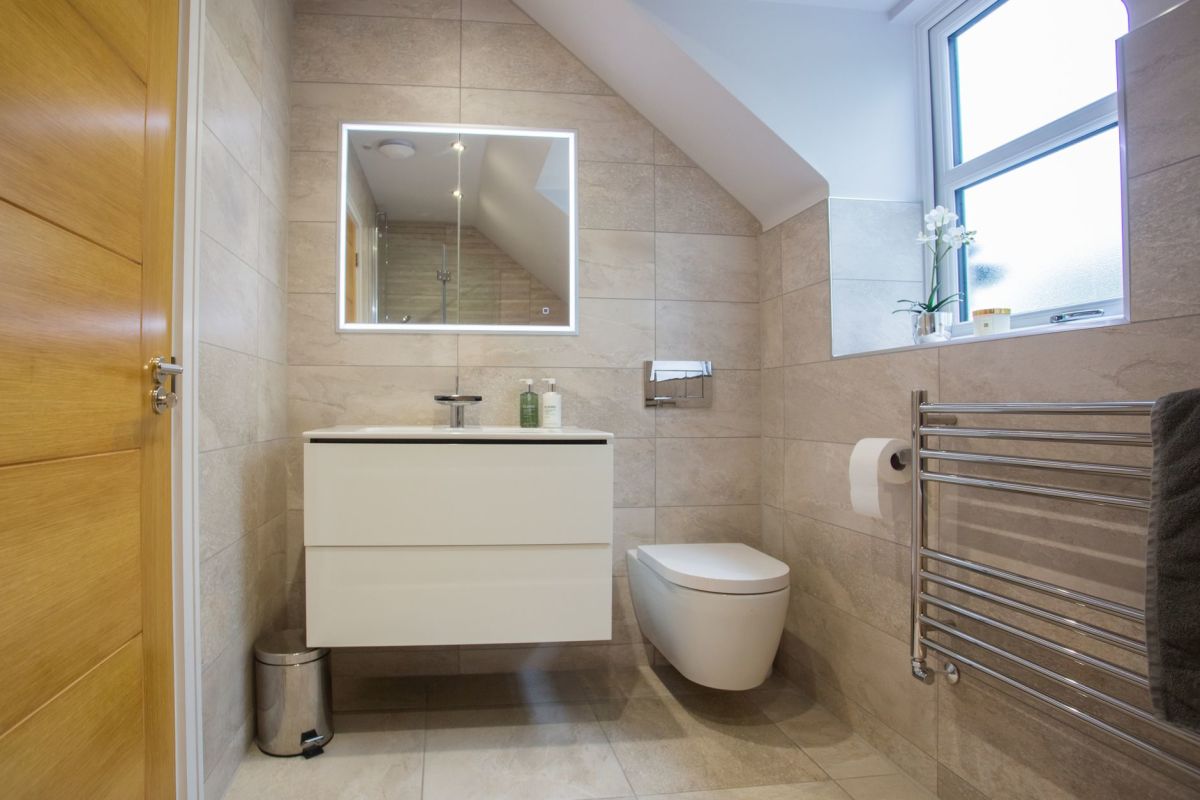
The headline ranges first. Converting an existing space - a built-in wardrobe run, a corner of a large bedroom, an adjacent box room - into a shower room en-suite typically costs £6,000 to £9,000 in Derby in 2026. That covers stud walls, first and second fix plumbing and electrics, a shower enclosure, toilet, basin, tiling, flooring, lighting, and ventilation.
If you want a fixed figure for your own bedroom rather than a range, Bathroom Fitters Derby surveys the space and prices against your actual pipe runs and joist directions, which is what separates a real quote from a guess.
Push the specification up - a larger enclosure, wall-hung fittings, underfloor heating, higher-end tiles - and £9,000 to £12,000 is realistic. Loft en-suites as part of a conversion run higher still, typically £8,000 to £14,000 for the bathroom element alone, because everything (water supply, waste, soil connection) has to travel further. Derby prices sit noticeably below the national picture: labour here runs 10% to 20% under southern England rates, and the East Midlands has a comparatively healthy supply of qualified plumbers and fitters, so you're not paying scarcity premiums. Good fitters still book out 4 to 8 weeks ahead, though - cheap and available immediately is usually a warning sign.
Where the Money Actually Goes
Homeowners tend to assume the suite itself is the big cost. It rarely is. On a typical £8,000 Derby en-suite, the split looks roughly like this: labour 40% to 45% (£3,200 to £3,600), sanitaryware and brassware 15% to 20%, tiles and flooring 10% to 15%, building work such as stud walls and boxing 10%, electrics and ventilation 8% to 10%, and waste and water pipework the remainder.
That split explains why bargain-hunting on the suite saves less than people hope. Knocking £400 off the sanitaryware changes the total by 5%. Choosing a location that avoids re-routing the soil pipe can change it by 15% to 20%.
The Soil Pipe Rules Everything
The single biggest cost variable in any en-suite is the distance and route to the soil stack. A toilet needs a 110mm waste falling at the correct gradient to the stack, and in most Derby homes the stack runs up the rear external wall. An en-suite on the same side of the house connects simply. One at the front of the house may need a new external stack or a macerator, adding £600 to £1,500. Macerators work, but they're a compromise - noisier, more maintenance, and some buyers are wary of them.
How Derby's Housing Stock Changes the Numbers
The house you own shapes the quote more than the suite you choose. Derby's 1930s semis are the easiest hosts: bedrooms of 12 to 14 square metres can usually give up a 1.8m x 1.7m corner without feeling cramped, floors are suspended timber that's straightforward to run pipework through, and the rear stack is usually within easy reach of the main bedroom.
Victorian and Edwardian terraces are trickier. Bedrooms are often generous, but lath and plaster ceilings, deeper joists running the wrong way, and older pipework add labour time - budget 10% to 15% more than the equivalent job in a 1930s semi. Properties in the former mining villages around Derby - out towards Heanor, Ripley, and South Normanton - often have solid, well-built shells but 1960s-70s plumbing that's due for renewal anyway, and it's cheaper to renew it during the en-suite job than separately later.
One more local factor: Derby's water is hard, at roughly 250mg/l calcium carbonate. That's worth £300 to £500 of your budget on either a thermostatic shower valve with decent limescale resistance or an inline scale reducer, because hard water halves the life of cheap shower valves - 3 to 5 years instead of 8 to 10.
Building Regulations, Ventilation, and Paperwork
An en-suite doesn't normally need planning permission, but it does fall under building regulations, and this is not a corner to cut. Drainage, ventilation, and electrics all have to comply - the requirements for new bathrooms are set out in the government's approved documents on building regulations, and the work needs either building control sign-off or completion by installers whose work is self-certifying.
The practical requirements: extract ventilation of at least 15 litres per second (an en-suite is usually internal with no window, so a good humidity-sensing fan with overrun is essentially mandatory - £120 to £250 fitted), electrics installed by a registered electrician under Part P, and waste falls within tolerance. Certification matters at sale time - conveyancers routinely ask for it, and a missing electrical certificate can hold up a sale or cost £200 to £400 in retrospective inspection. Using a plumber on the WaterSafe register of approved plumbing businesses covers the water regulations side and gives you a complaints route if anything goes wrong.
Water Pressure - Check Before You Buy Anything
An en-suite shower is only as good as the pressure feeding it. Many older Derby properties still run gravity-fed systems with a tank in the loft, delivering as little as 0.2 to 0.5 bar upstairs - a modern mixer shower wants 1 to 1.5 bar minimum. Fixes range from a shower pump at £250 to £450 fitted, to a full unvented cylinder or combi conversion at £2,000 to £4,000. This is the item most often missing from cheap quotes, and it's a miserable discovery after the tiling is done. Any decent survey tests pressure on day one.
Design Choices That Move the Price
Within the room itself, three decisions swing the cost most. First, the enclosure: a standard 900mm quadrant or 1000mm sliding-door enclosure costs £250 to £600, while a walk-in with a fixed panel runs £400 to £900 and needs a bit more floor. If you're weighing that choice, we've written a full comparison in our guide to choosing between a walk-in shower and a bath for Derby homes, and most of it applies directly to en-suites.
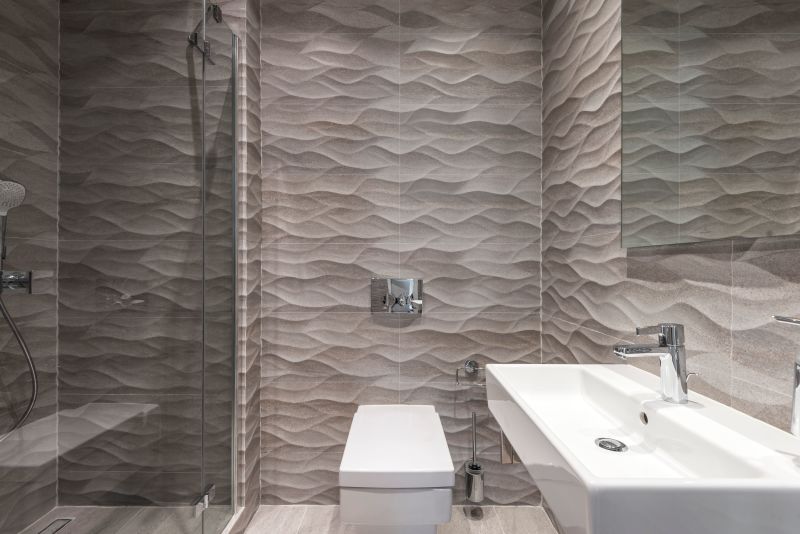
Second, wall-hung versus floor-standing fittings. Wall-hung looks sharper and cleans easier but adds £250 to £500 for frames and boxing. In a brand-new stud-built en-suite the premium is smaller, because the fitter is building the walls anyway and can frame for it from the start - one genuine advantage new en-suites have over renovations.
Third, tiling extent. Full-height tiling on every wall versus tiled shower area plus painted walls is a £600 to £1,200 swing on a typical en-suite. Half-tiled with quality bathroom paint is a perfectly durable choice and nobody walking in thinks less of it.
Is an En-Suite Worth It in Derby?
Usually, yes - with caveats. On the value side, the roughly 5% uplift an extra bathroom brings means £9,000 to £11,000 on a typical Derby home, which broadly matches what a mid-range installation costs. You're effectively getting years of convenience for free, rather than making a profit. The projects that do clearly pay are three-bed-plus family homes with one bathroom, where the morning queue is real and buyers actively filter for a second WC.
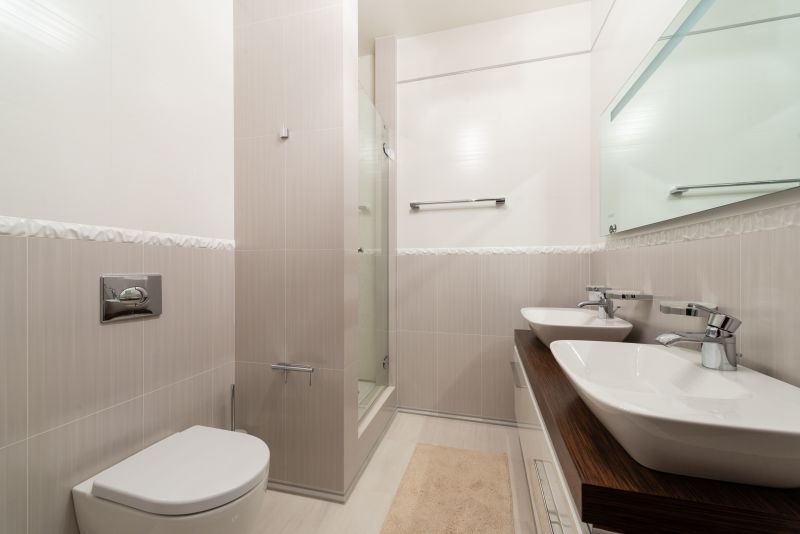
The caveat is bedroom count and size. Sacrificing so much of a bedroom that it drops below double size can cost more value than the en-suite adds - a double bedroom needs around 9 to 10 square metres to sell as one. And independent research from Which? on how much bathroom work really costs is a useful sanity check against any quote, high or low. If a Derby quote is more than 25% below the ranges in this guide, something - certification, ventilation, pressure work, making good - has been left out, and you'll pay for it later.
Getting Quotes That Can Actually Be Compared
Ask every fitter to break the quote into the same sections: building work, plumbing, electrics, tiling, sanitaryware, ventilation, and making good. A single-line "£7,500 all in" quote can't be compared with anything and hides what's excluded. Check three specifics: is building control sign-off or self-certification included, is the water pressure tested and any pump priced, and who patches and decorates the bedroom side of the new wall - that last one is missed from about a third of the quotes homeowners show us, and it's £300 to £600 of finishing work.
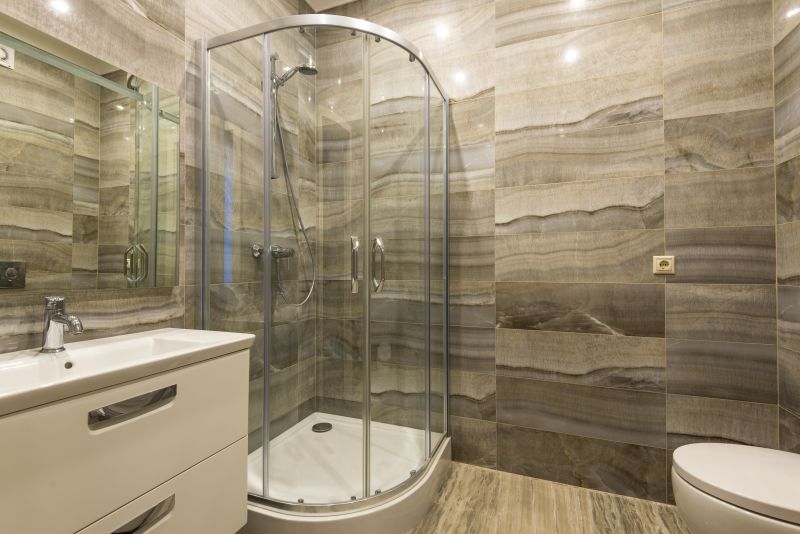
Get three quotes, expect the spread to be around 20%, and be suspicious of outliers in both directions. Then pick the fitter who asked the most questions during the survey - the ones who measure joist directions and test pressure are the ones whose quotes don't grow later.
---
FAQ
Q: How much does an en-suite installation cost in Derby in 2026?
A: Converting existing bedroom space into a shower room en-suite typically costs £6,000 to £9,000 in Derby in 2026. Higher specifications run £9,000 to £12,000, and loft en-suites cost £8,000 to £14,000 for the bathroom element because supplies and waste have to travel further.
Q: Does an en-suite add value to a Derby home?
A: Generally yes. An additional bathroom is associated with around a 5% value uplift - roughly £9,000 to £11,000 on a typical Derby property - which broadly matches a mid-range installation cost. The gain is strongest in family homes with only one existing bathroom.
Q: Do I need planning permission for an en-suite in Derby?
A: Planning permission isn't normally needed for an internal en-suite, but building regulations apply to the drainage, ventilation, and electrical work. Use registered installers who can self-certify, or arrange building control sign-off, and keep the certificates for when you sell.
Q: What makes en-suite quotes vary so much?
A: Distance to the soil stack, water pressure work, and what's excluded. Re-routing waste or adding a macerator adds £600 to £1,500, a shower pump adds £250 to £450, and cheap quotes often omit certification and making good the bedroom side of the new wall.
Q: How long does an en-suite installation take?
A: A typical Derby en-suite conversion takes 2 to 3 weeks - roughly one week of building work and first fix, then tiling, second fix, and finishing. Unlike a bathroom renovation, you keep a working bathroom throughout, which makes it a far less disruptive project to live with.
---
You might also like
Bathroom Fitting Derby