How Long Does a Bathroom Renovation Take in Derby? A Realistic Timeline
The most common source of frustration in a bathroom renovation isn't the cost - it's being without a working bathroom for longer than expected. Homeowners who've been given a rough timescale and then find the job running over tend to be the unhappiest at the end of a project, regardless of the quality of the finished result. In Derby, where much of the housing stock includes Victorian and Edwardian terraces and interwar semis with older plumbing infrastructure, timescales have genuine variability built in.
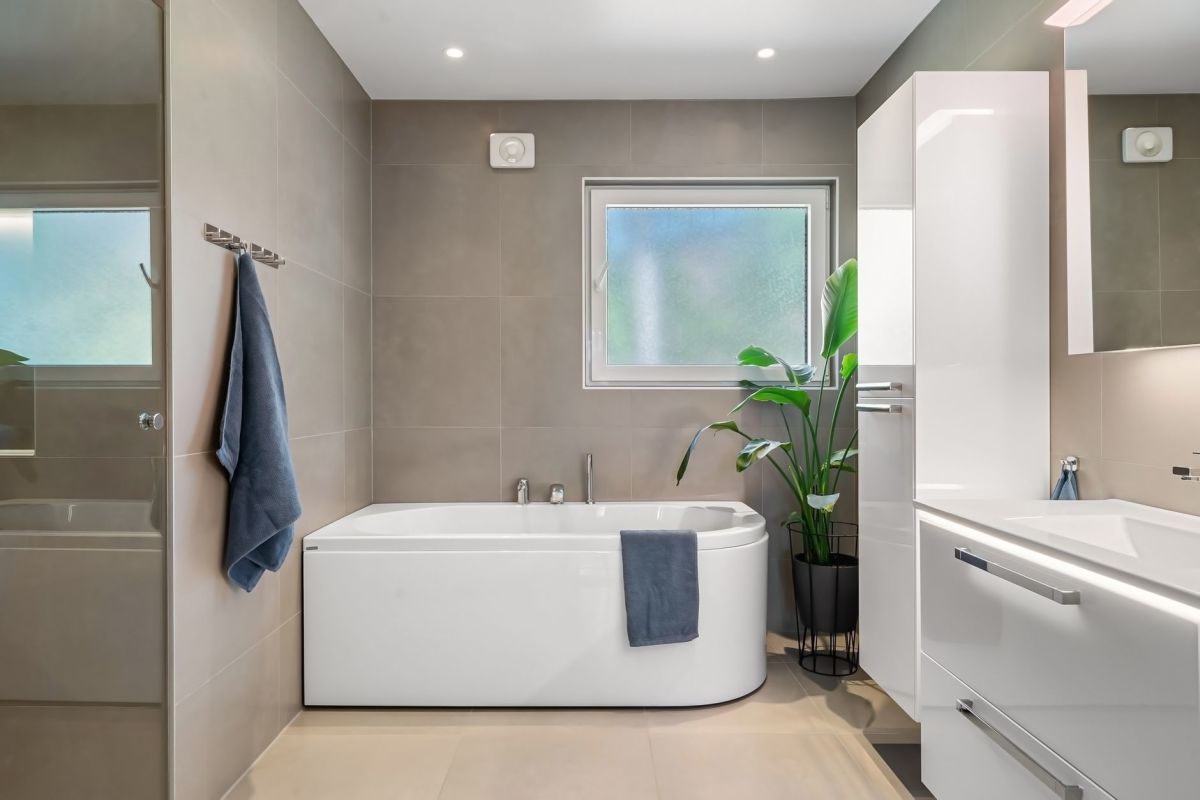
A simple bathroom refresh with no structural changes in a property with straightforward plumbing can be done in two to three days. A full renovation with layout changes, new tiling, new shower enclosure, new sanitaryware, underfloor heating, and anything unexpected in the walls or floor can take ten days to two weeks. Most Derby bathroom renovations sit somewhere in between.
Why Timescales Vary So Much
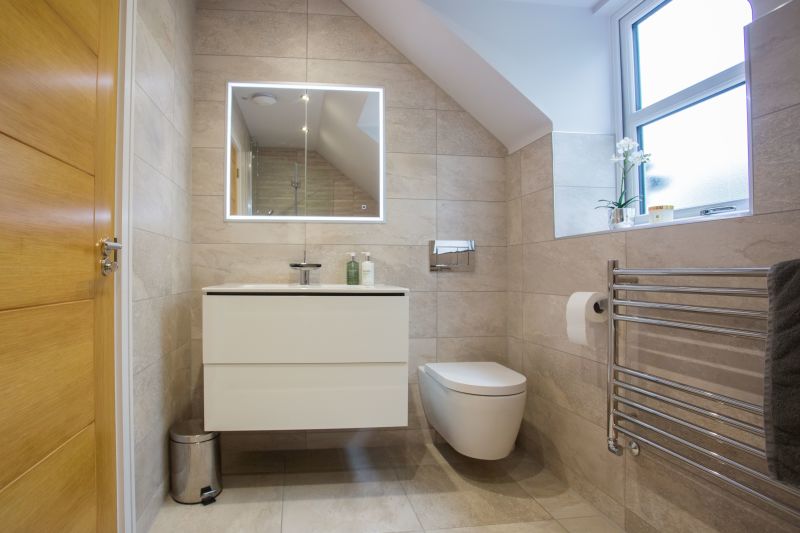
The single biggest variable is what's found when the old bathroom comes out. Water damage behind tiles, corroded pipework, substandard previous work that needs correcting, or a floor that turns out to be less solid than expected - all of these add time that couldn't have been quoted for at the start.
Bathroom Fitters Derby carries out a pre-works survey before any renovation to identify potential issues. Some things are only visible once the old suite is out, but a thorough survey catches the problems that are catchable.
Derby's older housing is particularly prone to a few specific issues: lead pipework in properties that haven't been replumbed since the 1970s or earlier, suspended timber floors under bathroom tiles that may have moved or deteriorated, and older soil stacks that need adapting for modern fittings. None of these are unusual, and none of them make the job impossible - they just take more time.
A Typical Renovation Day by Day
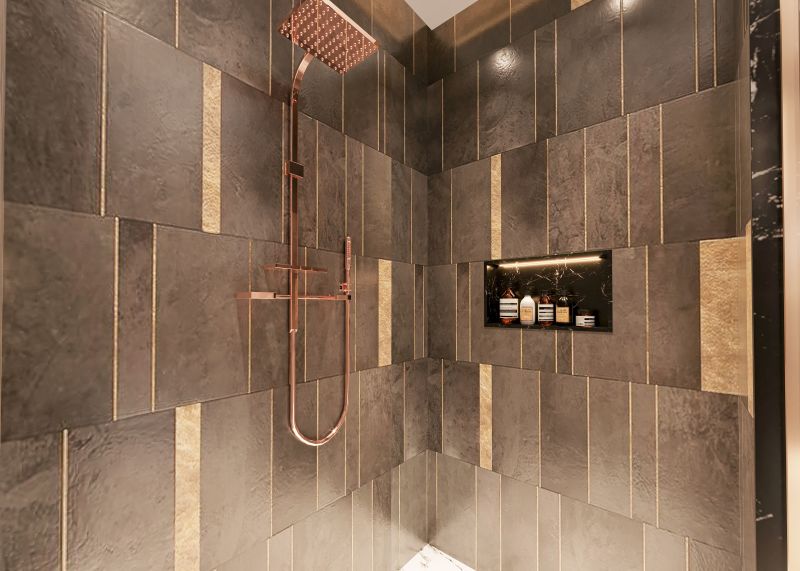
The rough shape of a standard Derby bathroom renovation looks like this.
Day one is strip-out. The old suite, tiles, and flooring come out. The room is assessed properly for the first time, and any unexpected conditions are identified. Pipework and electrics are assessed.
Days two and three are first fix - pipework moved or extended as required, waste runs adjusted, electrical first fix for lighting, extractor, and any underfloor heating.
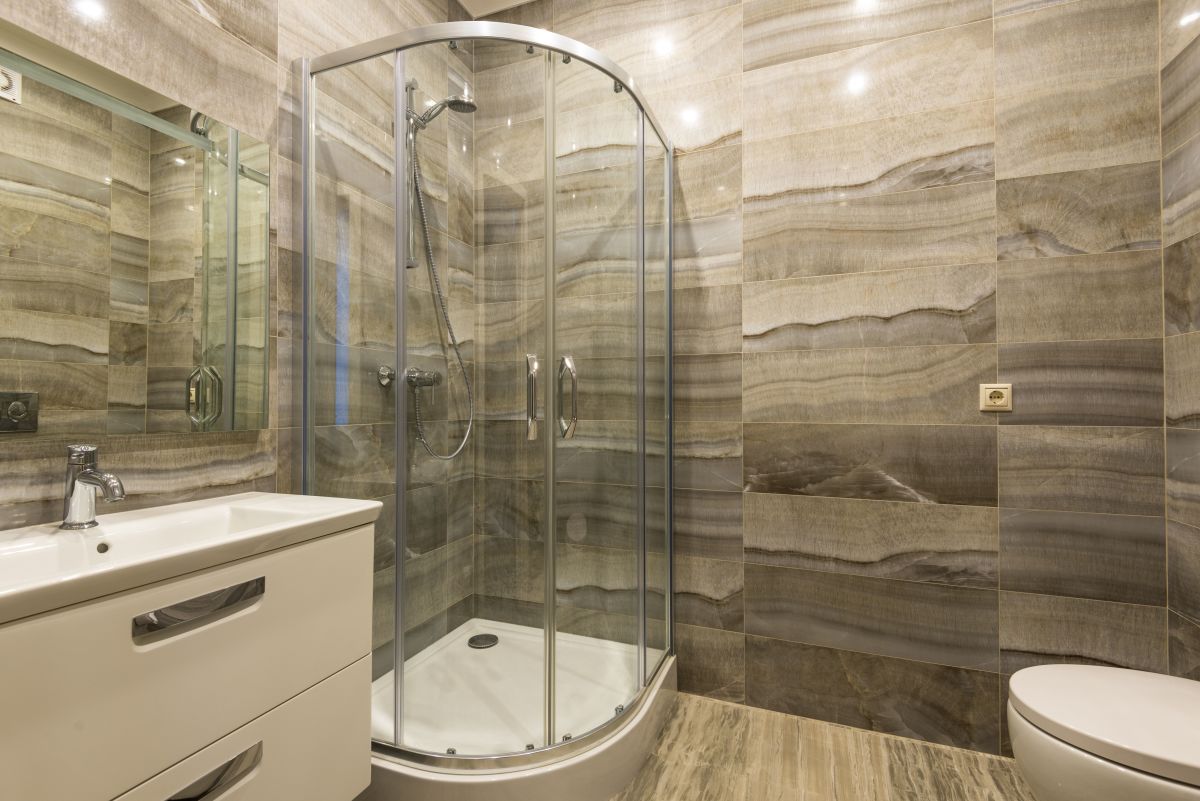
Days four through six are tiling. This is where most of the time goes on a well-tiled bathroom. Preparation, adhesive setting times, grout setting times - tiling can't be rushed without consequences that show up later.
Days seven and eight are sanitaryware installation - bath, toilet, basin, shower enclosure, taps, and shower valve fitted and connected.
Day nine is second fix electrics and final connections. Underfloor heating thermostat, extractor, lighting.
Day ten is snagging - the fitter goes through the finished room methodically, addressing anything that isn't quite right before signing off.
Delays can come at any stage. Tile delivery is one of the most common causes - a cracked tile that needs replacing or a short delivery that leaves the job waiting. Ordering more tile than you think you need is worth the small extra cost.
What You Can and Can't Speed Up
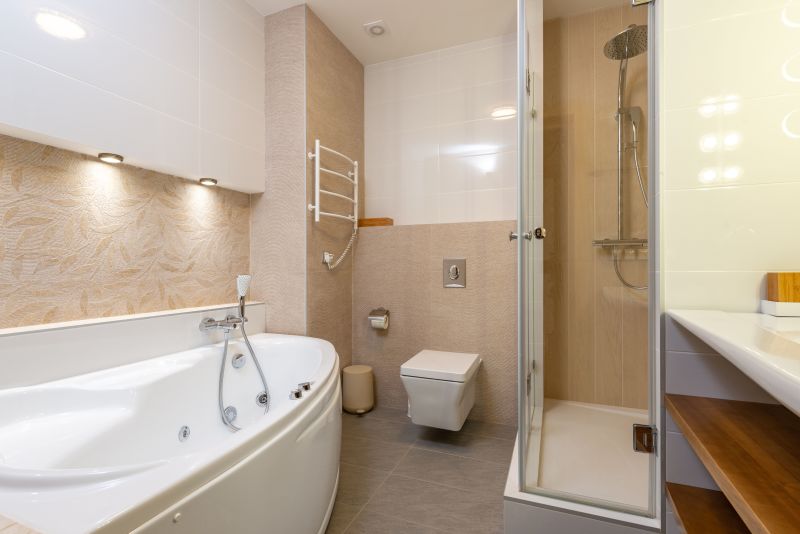
Some stages have minimum waiting times that can't be compressed. Adhesive and grout need time to cure before the next stage can proceed - attempting to rush these stages produces failed tiles and callbacks. Plumbing pressure tests need to hold overnight before the walls can be closed. Screed, where used, needs several days before tiling.
What can be sped up is preparation. Having all materials on site before work starts - tiles, sanitaryware, fittings, accessories - removes the delivery waits that interrupt a job. A well-prepared project runs in sequence; an under-prepared one has gaps while things are ordered.
We've written about the cost side of Derby bathroom renovations in our 2026 bathroom renovation cost guide, which breaks down what different scopes of work typically cost in this area.
Planning Around Having No Bathroom
In a property with one bathroom, this is the most practically important thing to sort out before booking. For a renovation of ten days or more, staying elsewhere is worth considering if it's possible. Short renovations of three to five days are usually manageable with access to a gym or a neighbour's shower. Some fitters will work in a sequence that keeps a toilet usable throughout the job where the layout allows it - worth asking about specifically.
What Affects the Timeline Specifically in Derby
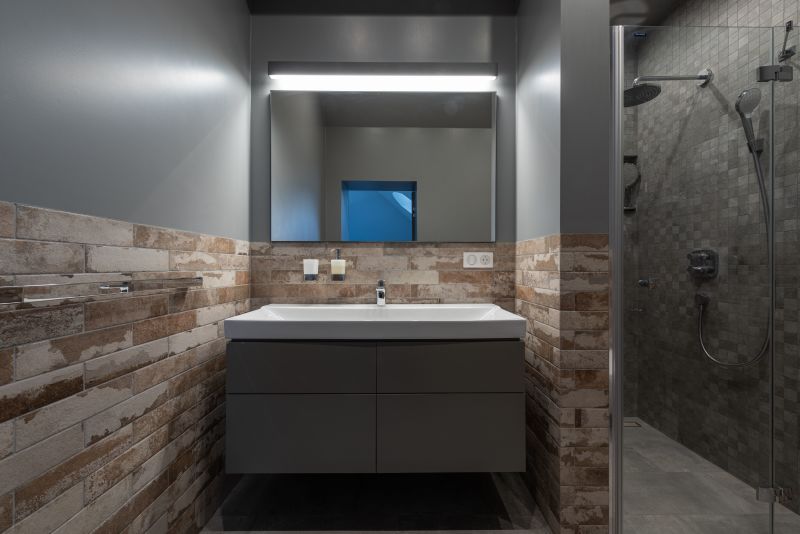
Older Derby properties have some particular characteristics that affect timescales. Cast iron soil stacks in Victorian terraces are still common and may need adapting rather than replacing. Existing pipework configurations in Derby's interwar semis sometimes require more significant replumbing to achieve a changed layout than equivalent newer properties would. The Chartered Institute of Plumbing and Heating Engineering has guidance on working with older plumbing systems that's relevant background reading if you're planning significant layout changes.
FAQ
Q: How long does a full bathroom renovation take in Derby?
A full renovation with new tiling, sanitaryware, and layout changes typically takes 7-10 working days. A simpler refresh with no structural changes can be done in 2-3 days. The biggest variable is what's found once the old bathroom is stripped out.
Q: What's the most common cause of bathroom renovation delays?
Unexpected conditions found on strip-out - water damage, corroded pipework, substandard previous work - are the most common cause of unplanned delays. Tile delivery problems are the most common cause of planned delays that can be avoided with good preparation.
Q: Can I use my bathroom during the renovation?
Typically no, once strip-out begins. In some cases a fitter can sequence the work to keep a toilet usable for part of the project, but plan on having no usable bathroom for most of the renovation period.
Q: Why can't tiling be done faster?
Adhesive and grout have minimum cure times before the next stage can proceed. Attempting to rush these stages causes failed tiles and joints that need redoing - which takes longer than waiting for the cure time in the first place.
Q: How can I make my Derby bathroom renovation run to time?
Have all materials on site before work starts. Make all decisions about tiles, sanitaryware, and fittings before day one. Avoid changing your mind mid-project, since even minor changes can cause delays while alternative items are sourced.
You might also like
Bathroom Fitting Derby